
Does Your Consent Management Platform Work the Same in Every Country?
By Julie Oberweis, COO, Co-Founder, Vault JS | December 13, 2022
Key Takeaways
- Geotargeted consent management tailors cookie and tracking behavior to a visitor’s location, but it creates compliance breakpoints that are difficult for local teams to verify. A site may correctly suppress cookies for a European visitor while placing them freely for an American visitor, but confirming that behavior actually works as configured across thousands of pages and dozens of jurisdictions requires testing from each geography.
- The complexity scales with the number of jurisdictions, pages, and tag changes. Enterprise sites serve visitors from hundreds of countries and states, each with different consent requirements, while tag ecosystems change constantly. A team based in one region cannot easily monitor what their site is doing to visitors in another without proxy-based testing from that location.
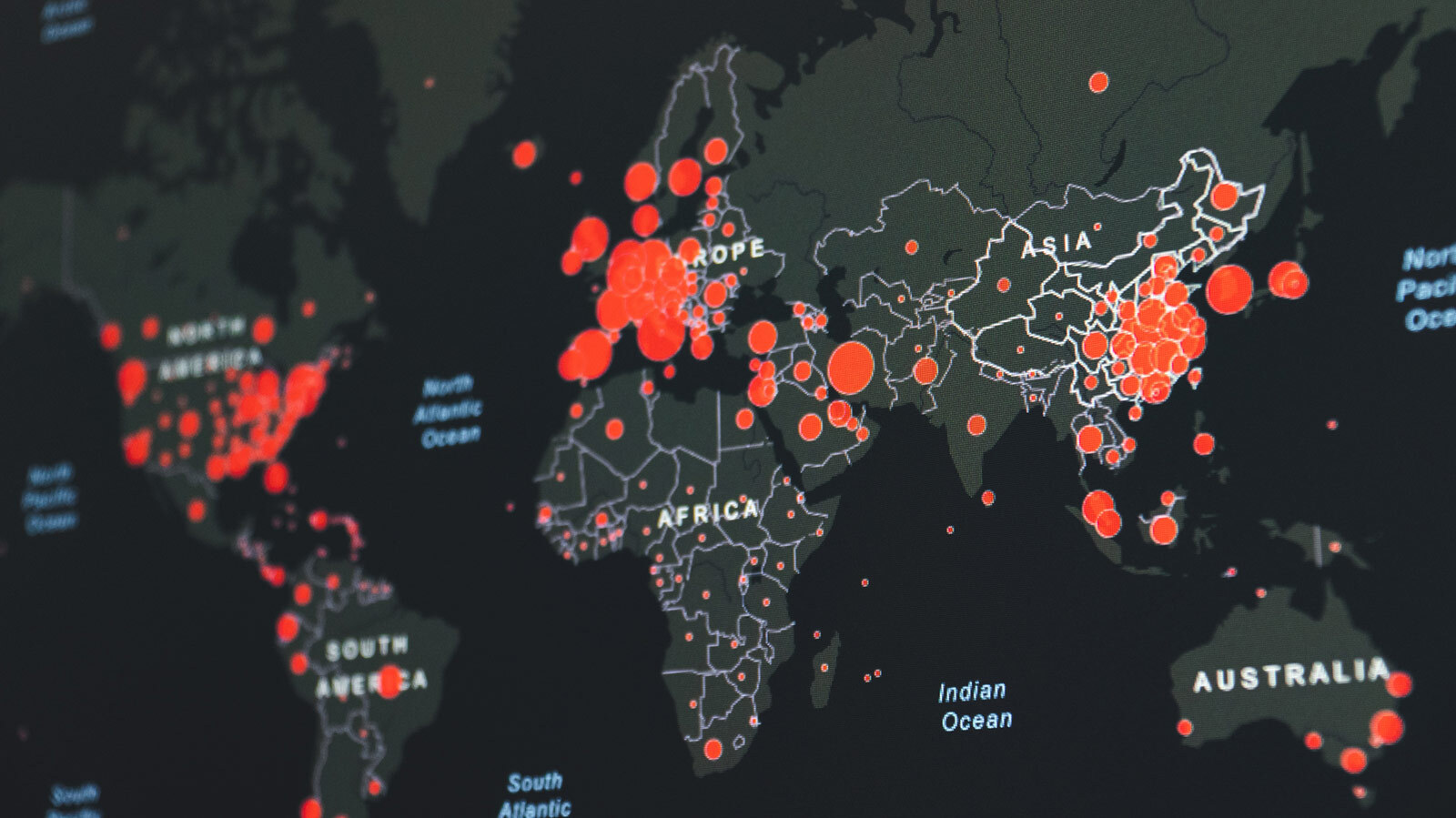
- Vault JS now delivers geotargeted consent analysis from 26 regions globally. Proxy servers across Europe, Asia Pacific, North America, the Middle East, Africa, Canada, and South America allow organizations to audit and continuously monitor whether their consent management programs are compliant in each jurisdiction they serve.
As various countries and states develop their own privacy laws, one-size-fits-all consent management solutions aren’t always enough. As a result, enterprise websites have begun tailoring consent practices to specific geographies. This helps optimize results, but it also adds significant complexity to the consent management effort.
That’s why we at Vault JS are pleased to announce that our privacy compliance monitoring platform now delivers geotargeted consent management analysis across more than 25 regions globally.
What is Geotargeted Consent?
Geotargeted consent allows enterprise websites to deliver different policies to visitors from different zones, adapting its users’ consent experiences based on their geography. For example, a site may default to placing many cookies and offering an opt-out when serving an American user, but that same site may default to placing no cookies and offering an opt-in when serving a European user.
Geotargeting like this helps sites better comply with local privacy regulations and practices, and it is gradually becoming more popular as governments around the world crack down on negligent cookie management. But while geotargeting allows enterprises to be more precise in their adherence to local policy requirements, it also creates new challenges.
Why Is Geotargeted Consent Difficult to Get Right?
With thousands of pages being served up to visitors from hundreds of countries and states, and with complex tag ecosystems that are constantly changing, there are countless new potential breakpoints where cookie consent can slip out of compliance with local regulations.
In addition, it’s difficult for a local team to track details from around the globe, especially over so many individual pages. For example, an American-based security team that tracks what cookies a site is placing on computers in New York may struggle to verify what cookies the same site is placing on a computer in Paris. A team in Mumbai may have difficulty monitoring customers’ experiences in San Francisco. And as more and more governments institute specific policies about cookie management and consumer data protection within their borders, that management becomes increasingly complex and increasingly vital.
How Can You Monitor Geotargeted Consent Compliance Across Regions?
Vault JS’s consent analyses can now help you audit and continually monitor your global geotargeted consent management programs to ensure ongoing compliance globally.
Our proxy servers can generate analyses from Europe, Eastern Asia, North America, and more, allowing you to monitor your site’s cookie compliance from two dozen geographies and jurisdictions.
Your site may be operating perfectly within the laws of your geography. Is it complying with CPRA when it serves your customers in California? Is it complying with the GDPR when customers visit from Stockholm?
Request a free analysis of your site’s tag ecosystem to find out.
Consent analyses from Vault JS are now* available from the following 26 regions:
Africa
- Cape Town
Asia Pacific
- Hong Kong
- Hyderabad
- Jakarta
- Mumbai
- Osaka
- Seoul
- Singapore
- Sydney
- Tokyo
Canada
- Central Canada
Europe
- Frankfurt
- Ireland
- London
- Milan
- Paris
- Spain
- Stockholm
- Zurich
Middle East
- Bahrain
- UAE
North America
- California
- Ohio
- Oregon
- North Virginia
South America
- São Paulo
*As of December 5th, 2022

Julie Oberweis
COO, Co-Founder, Vault JS
She previously co-founded Ensighten, where she helped create the tag management industry. Julie holds the CFA charter and the CIPP/US certification from the IAPP, bringing a rare combination of financial, operational, and privacy expertise to the governance challenges facing enterprise marketing and compliance teams.
Recent Posts

CIPA in 2026: 318 decisions, zero trial verdicts, and what a claim is really worth
We analyzed every internet-tracking decision under CIPA since 2022. None is a trial verdict, the defense wins 31.1% of the time, and the median disclosed...

Four Takeaways From Our Conversation With CalPrivacy’s Tom Kemp
CalPrivacy Executive Director Tom Kemp on vendor validation, GPC enforcement sweeps, cross-device opt-outs, and reading settlements as guidance.
Read More

Show Your Work: Privacy’s Shift to Continuous Assurance
Regulators are shifting from "do the work" to "show your work." In a recap of our webinar with PwC's Jake Meek, this blog discusses the...
Read More