Give Your Privacy Team Clarity Instead of Complexity
Essentials is the choice for:

Busy privacy professionals who juggle too many priorities to keep up with evolving laws

Privacy professionals who need to field test new solutions

Compliance and legal teams protecting digital businesses

Consultants and law firms working to protect their clients

Too Many Laws. Too Little Guidance.
Privacy regulations define what must be done—but not how to do it technically. Without technical plans to guide teams on translating legal requirements into concrete engineering and marketing actions, compliance slips and risks increase.
Vault JS Essentials bridges the gap by:
-

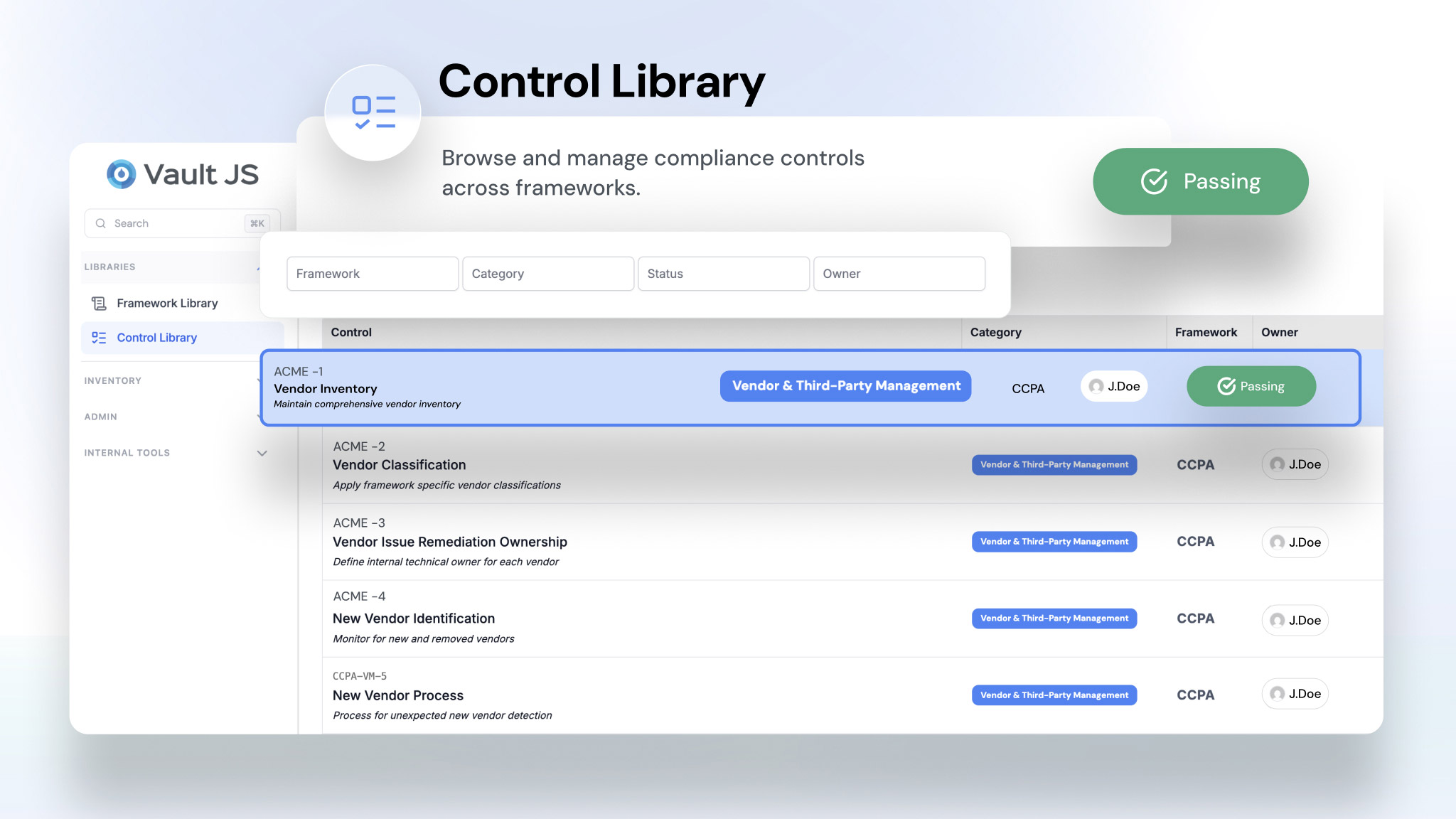
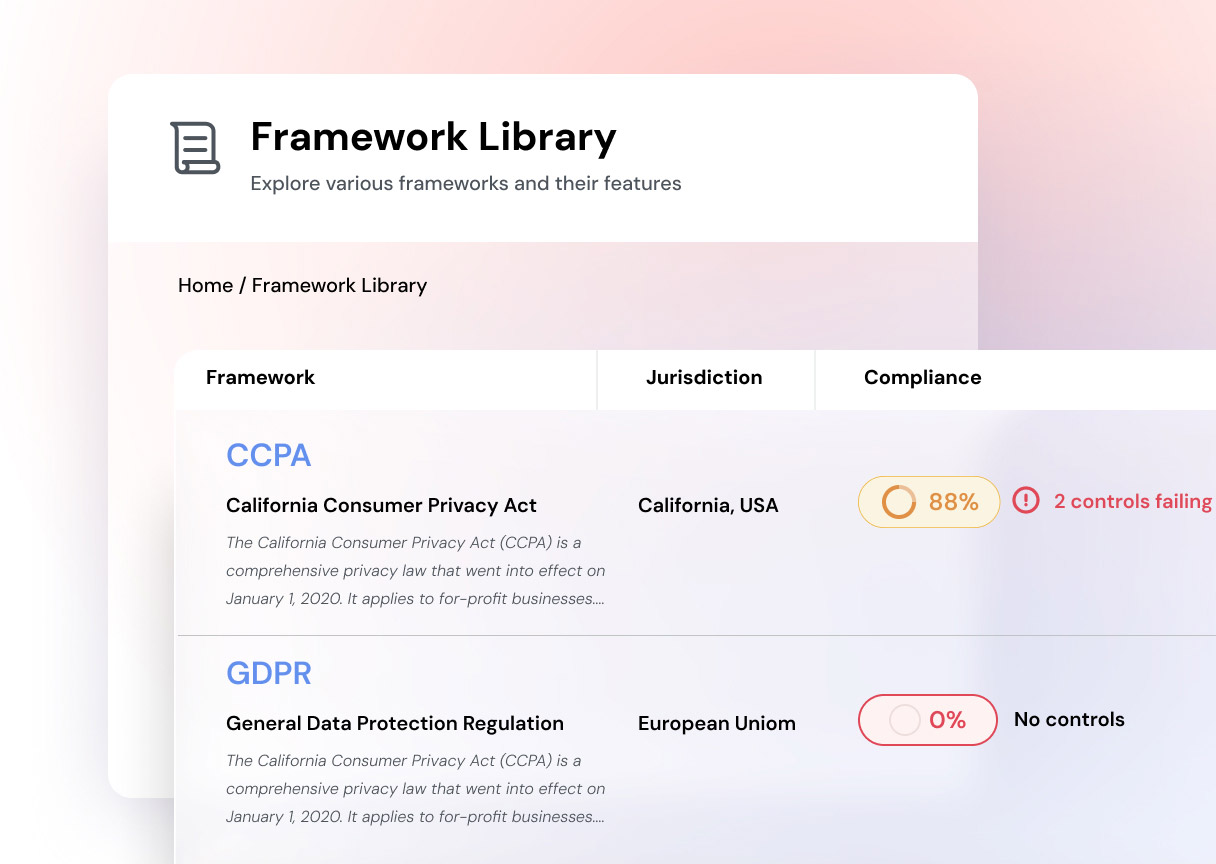
Mapping selected privacy frameworks directly to controls
-

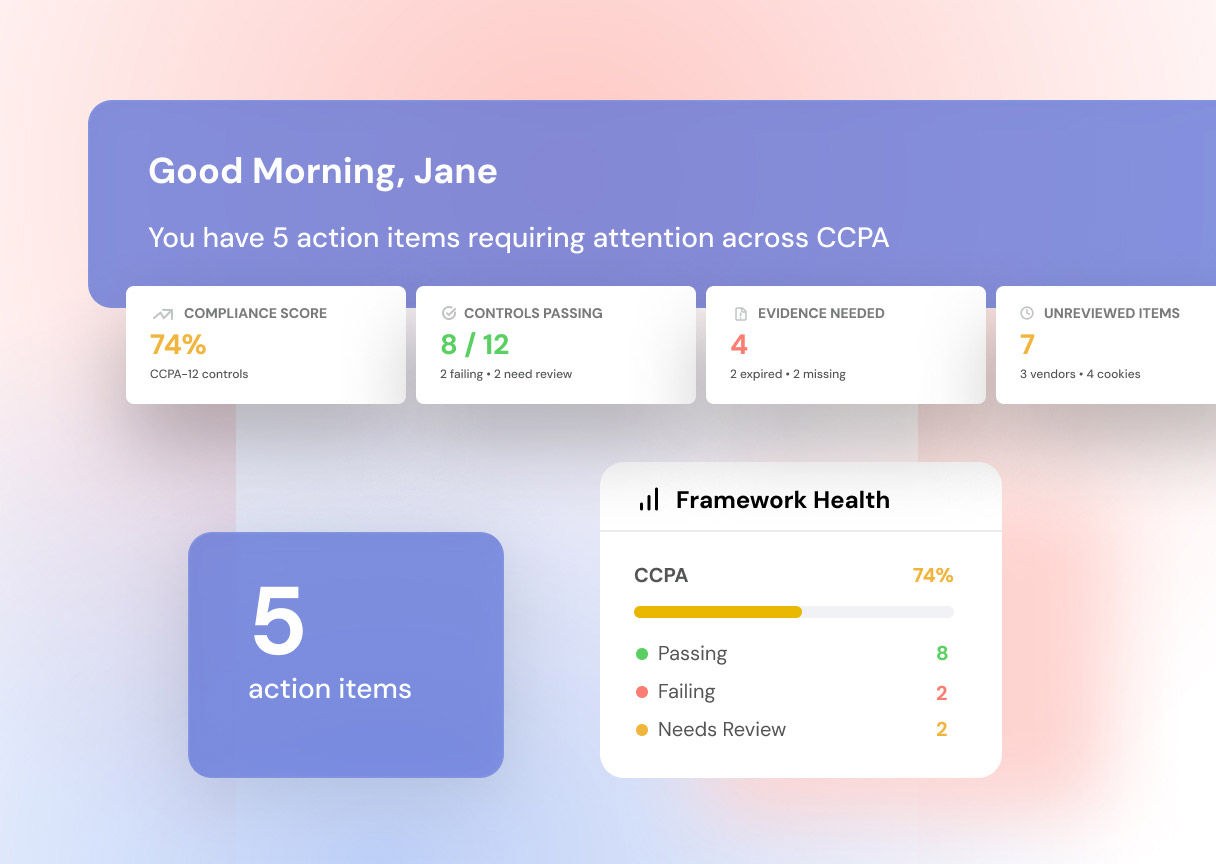
Turning regulations into a prioritized, trackable privacy task list
-

Providing a clear starting point for compliance maturity
Reduce Risk. Build Momentum. Show Progress. Document Compliance.
Accelerate Privacy Program Maturity
Essentials quickly moves your privacy program forward by establishing foundational controls, validating enforcement mechanisms, and building audit-ready processes. This begins your path to full, global, enterprise-grade compliance.

Reduce Regulatory and Class-Action Exposure
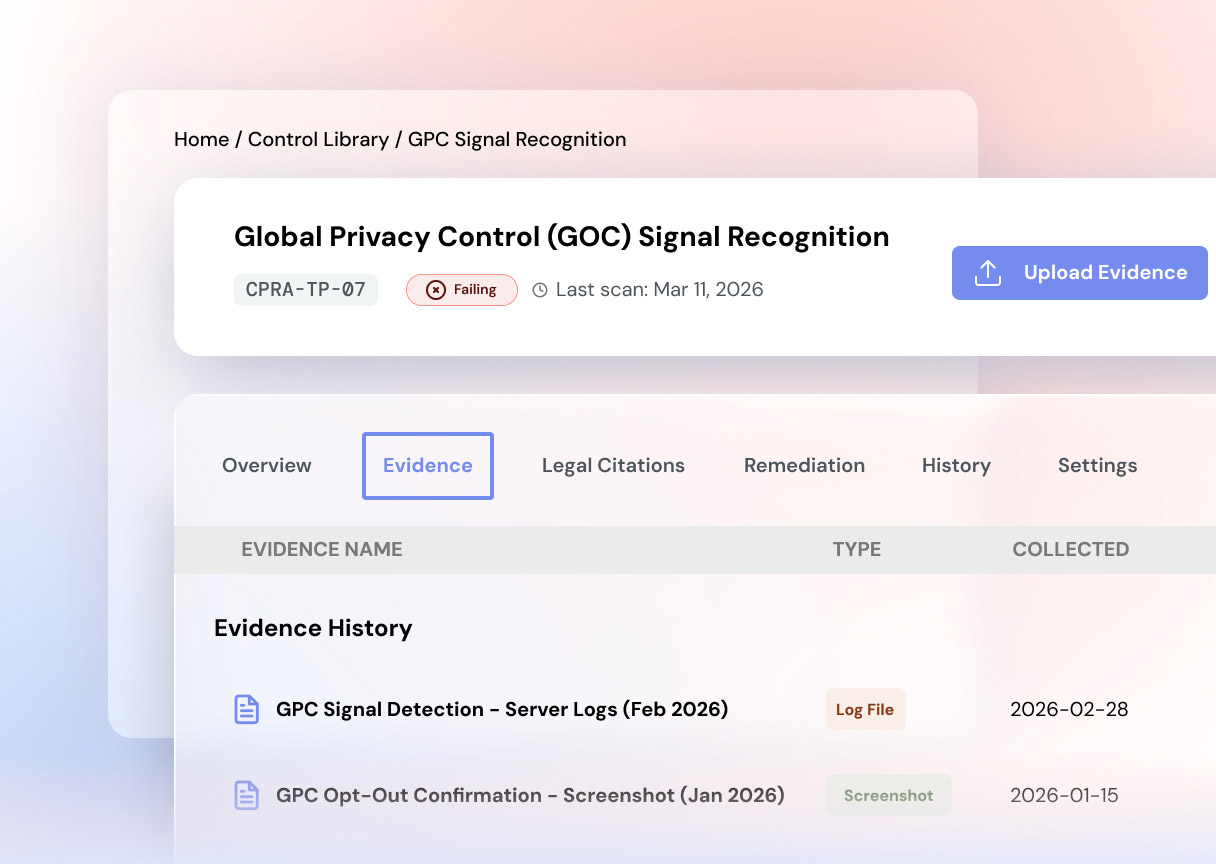
Essentials continuously scans cookies, tags, pixels, and scripts to detect and flag violations before regulators do. It provides a technical mitigation plan and proof that issues have been addressed.
Demonstrate Progress to Executives and Regulators
Document compliance against a defined control list. Essentials creates clear, measurable evidence that controls are implemented and working, so you can provide executives and regulators with a demonstrable record of progress.
Build User Trust Without the Heavy Engineering Lift
Vault JS Essentials operates outside your servers, and so needs no installation, integration, or coding to ensure you’re respecting your users’ choices and protecting their private information.
Protect Against Third-Party Risks
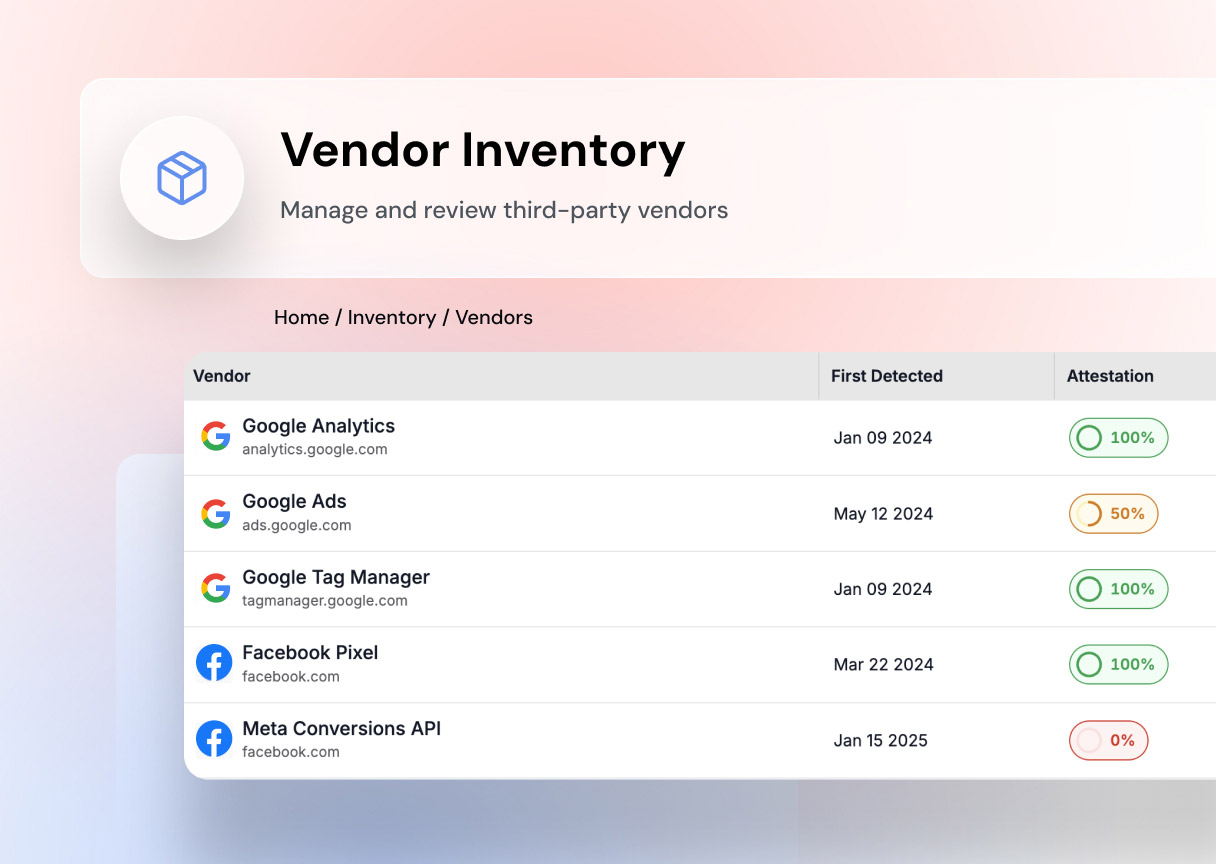
Vault Essentials limits vendor exposure and reduces downstream liability by testing and validating all third-party tracking technologies, including pixels, SDKs, tag managers, analytics tools, session replay scripts, and advertising beacons.
What You Get with Essentials

Predefined Privacy Control Library
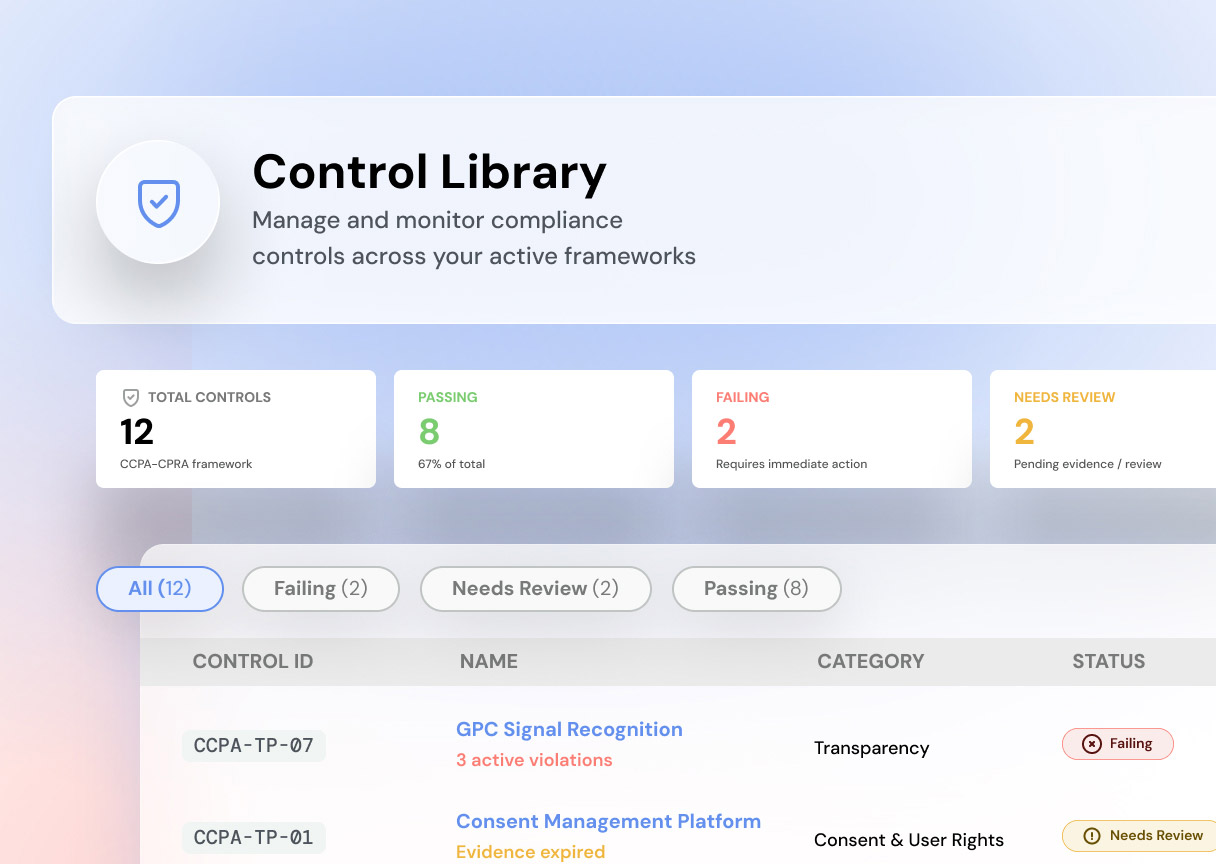
Provides a structured set of ready-to-use privacy controls, reducing setup time.

Framework Selection by Geography and Regulation
Aligns controls with the state or international privacy laws applicable to your business.

Analysis Across up to 10 Domains
Evaluates privacy risk across multiple websites using structured sampling to identify issues.

Vendor Classification with Supporting Evidence
Categorizes third-party vendors and documents the data they are sent for transparency in data sharing.

Automated Tests for Common Privacy Controls
Continuously checks that opt-out, consent, and other mechanisms are functioning as intended.

Basic Reporting and Audit Workflows
Generates documentation of the review processes for internal oversight and regulatory readiness.
Vault JS Product Comparison
Vault JS offers three service tiers — Essentials, Essentials Plus, and Enterprise Global. Customers can select the level that fits today and scale as their needs evolve. Global enterprises can deploy and rigorously field-test our platform before committing fully.
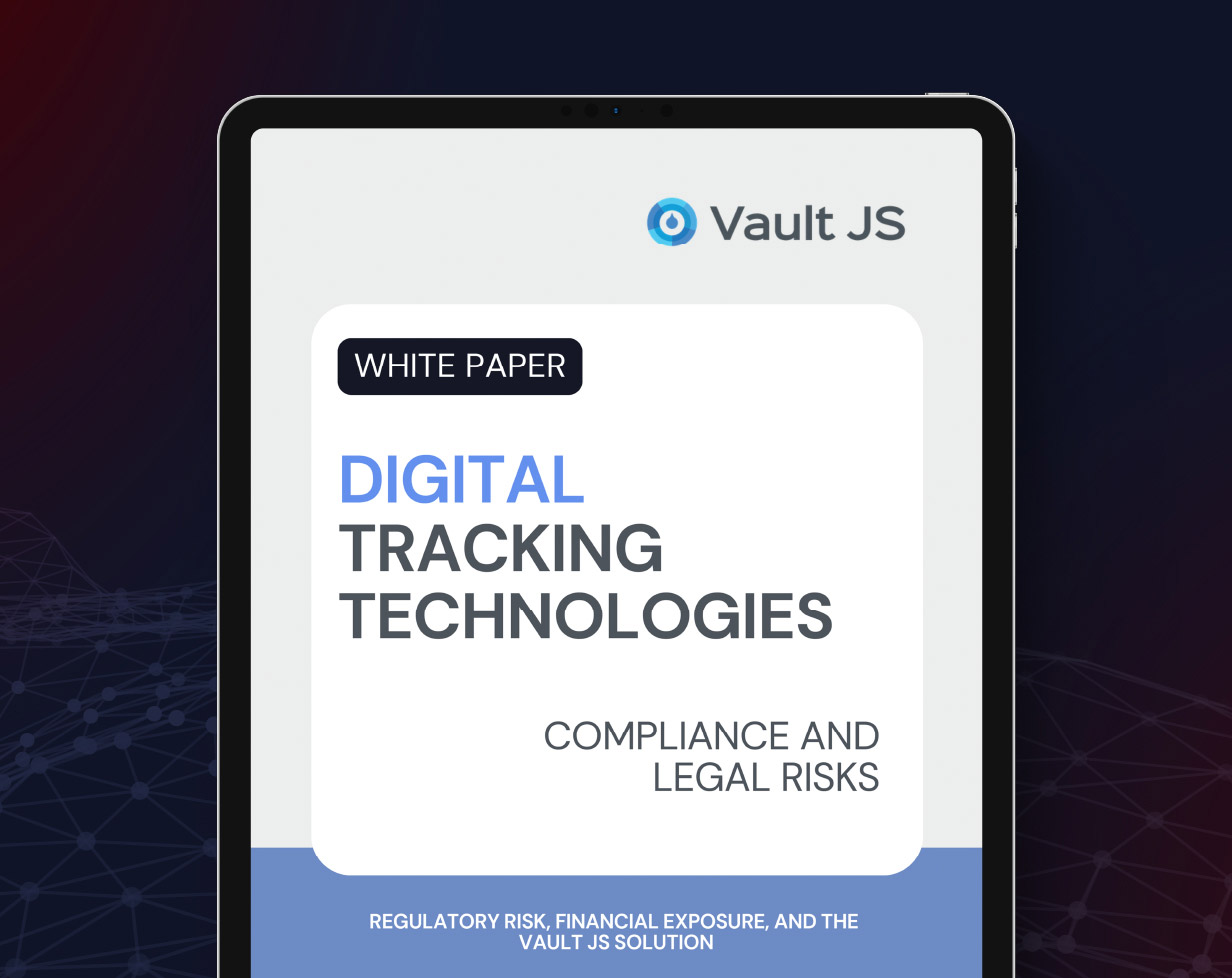
Digital Tracking Technologies Whitepaper
How Digital Tracking Creates Hidden Compliance and Legal Risk
Modern websites rely on pixels, tags, SDKs, analytics tools, and third-party scripts that constantly change in production. This whitepaper explains how those changes create hidden compliance risk and how enterprises can detect risky tracking behavior before it becomes a legal issue.
Vault JS Compliance Management Resources
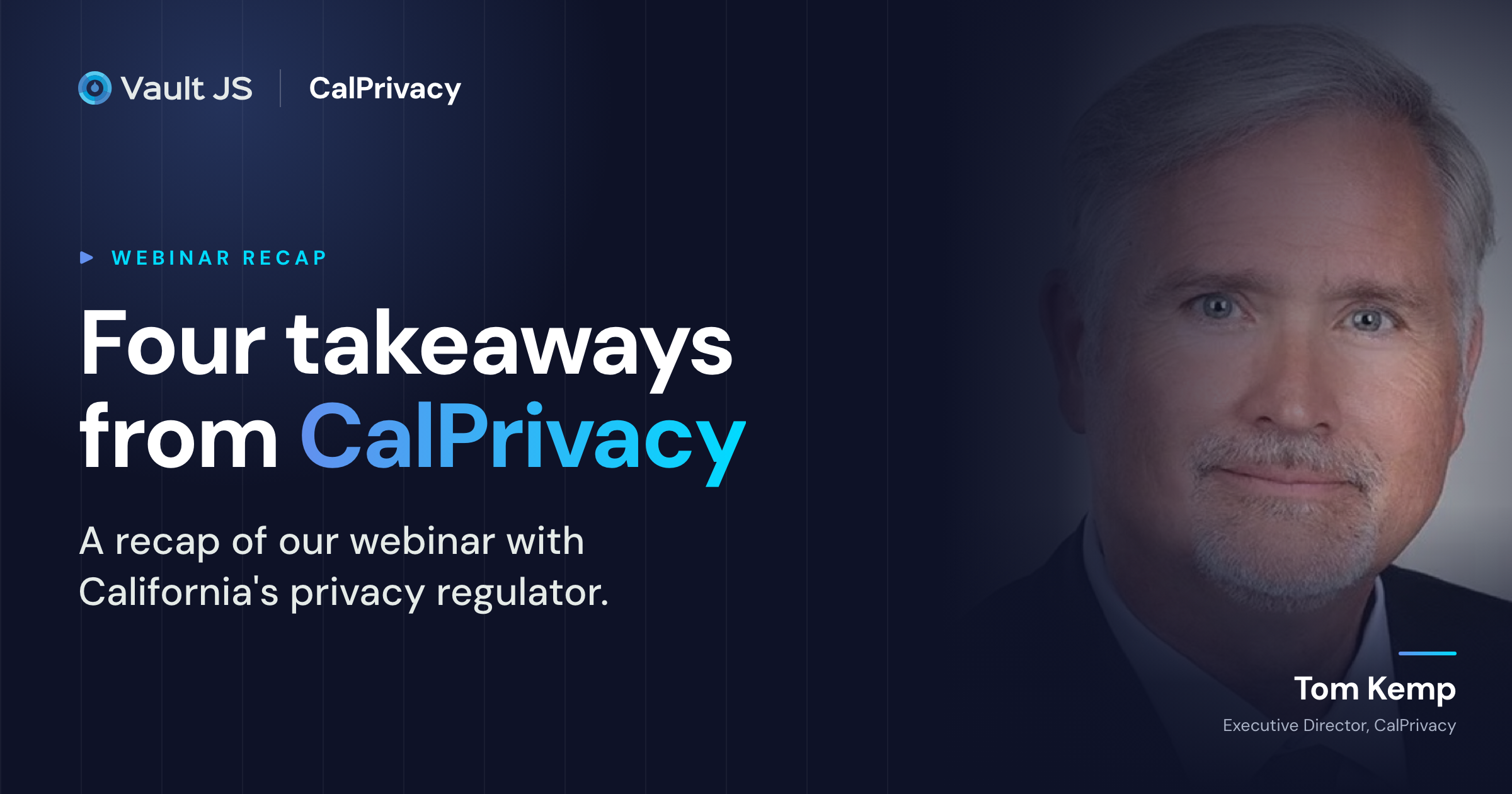
Four Takeaways From Our Conversation With CalPrivacy’s Tom Kemp
CalPrivacy Executive Director Tom Kemp on vendor validation, GPC enforcement sweeps, cross-device opt-outs, and reading settlements as guidance.
Read More
Show Your Work: Privacy’s Shift to Continuous Assurance
Regulators are shifting from "do the work" to "show your work." In a recap of our webinar with PwC's Jake Meek, this blog discusses the...
Read More
Configured Isn’t Compliant: Why Privacy Setup Alone Won’t Hold Up in 2026
In 2026, regulators test whether your privacy setup actually enforces consent. This blog recaps the webinar with Josh Manion and Richy Glassberg, CEO of Safeguard...
Read More
Start building a defensible privacy foundation
Get started with Essentials or talk to our team about scaling to Enterprise Global.