
Enterprise Global Add-On

Protect Privacy on Connected TV Platforms

Vault JS’s CTV Monitoring add-on exposes hidden data flows in streaming apps to ensure compliance with privacy laws.

Connected TV

Avoid The High Price of Hidden Data Flows

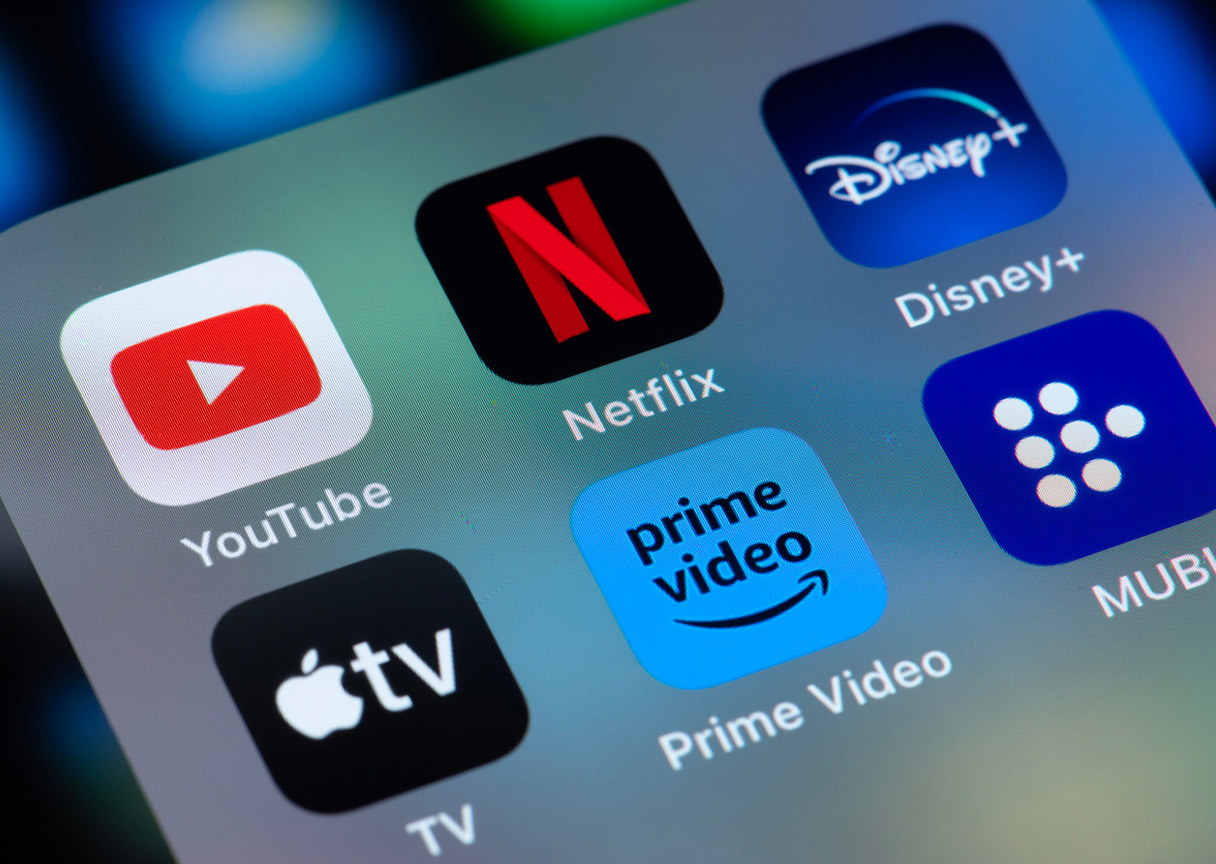
Connected TV (CTV) apps are the new compliance frontier — and a major blind spot — that Vault’s CTV Monitoring add-on makes visible. From smart TVs to streaming dongles, Vault protects you from costly CTV surprises by continuously monitoring applications for hidden trackers, giving your teams a clear view of the data that flows from your apps.

Crunchyroll

VPPA violations earn Crunchy Roll a $16 million settlement

Crunchyroll paid a $16 million class-action settlement for sharing personal data with third parties in violation of the Video Privacy Protection Act (VPPA).

Fire TV

Fire TV and Roku trackers put streaming services at risk

89% of Fire TV and 69% of Roku channels contain trackers sending user data (viewing habits, device IDs) off the device .

Sling logo

Sling TV settled its CCPA violations for $530,000

Sling TV agreed to pay $530,000 in penalties and implement opt-out changes to settle California Consumer Privacy Act (CCPA) claims (source).

How Vault JS Supports Compliance for Connected TV Apps

Icon

CTV Traffic Scanning

Monitors CTV network traffic to detect privacy risks.

Icon

Tracker Identification

Identifies embedded trackers and maps associated data flows.

Icon

Policy Violation Alerts

Sends real-time alerts whenever privacy rules are breached.

Icon

Global Compliance Filters

Applies region-specific privacy rules across global CTV deployments.

Icon

Bilingual and Regional Testing

Tests disclosures and consent flows across languages and regions.

Icon

Continuous Audit Trail

Maintains time-stamped records of activity for defensible compliance evidence.

Key CTV App Compliance Capabilities

How we manage risk in a changing environment

Holistic Visibility

CTV Monitoring extends your monitoring to the living room screen. We scan network traffic from CTV apps to identify which third parties receive data (e.g., advertising IDs, content titles, or location data). Legal and engineering teams gain a unified view of previously invisible data flows.


CTV Monitoring - Holistic Visibility Gradient blur shape
CTV Monitoring - Unauthorized Sharing Gradient blur shape

Detect Unauthorized Sharing

Our system audits CTV apps to ensure consent signals are respected. For example, if a smart TV sends viewing data to an analytics platform or shares device IDs with ad exchanges without consent, Vault JS will alert you before regulators do.

Cross-Device Consent

CTV Monitoring helps you enforce “Do Not Sell/Share” signals and consent choices in CTV environments. If a user opted out via web or device settings, our platform verifies that the CTV app has stopped data collection. We provide programmatic evidence that you honor consumer preferences across platforms.


CTV Monitoring - Cross-Device Consent Gradient blur shape
CTV Monitoring - Costly Violations Gradient blur shape

Prevent Costly Violations

Early detection means issues can be fixed before they become front-page news. With Vault, you can proactively disable or reconfigure offending trackers in your CTV app, reducing the risk of fines or class actions. (Remember, VPPA violations can cost ~$2,500 per user, which adds up fast.)

Frequently Asked Questions

CTV monitoring for privacy compliance is the continuous analysis of data traffic, trackers, and ad-tech activity within connected TV environments to ensure that personal information is collected, shared, and processed in accordance with applicable privacy laws. It helps identify unauthorized data transfers, undisclosed tracking technologies, and policy violations across streaming apps, devices, and regional deployments, reducing regulatory and litigation risk.

Third parties in CTV environments can collect device identifiers (such as advertising IDs and IP addresses), viewing behavior, app usage, content interactions, and engagement data. They may also collect location data, household-level identifiers, cross-device linkage signals, and information used to build behavioral advertising profiles.

Yes, if your CTV app transmits IP addresses, device identifiers, or precise location signals to advertising, analytics, or measurement vendors. This data may qualify as “sharing” (for cross-context behavioral advertising) or even “selling” under laws like the California Privacy Rights Act, even if you’re not directly monetizing the data.

Yes, depending on how your app is configured. If your CTV app transmits device identifiers, viewing behavior, or location data from child-directed content to advertising or analytics vendors, that disclosure could qualify as “sharing” or “selling” under laws like the California Privacy Rights Act. When minors under 16 are involved, violations carry enhanced penalties. Additional federal rules, such as COPPA, may also apply if your service is directed to children under 13.

CTV apps collect viewing data to support advertising, audience measurement, personalization, and content performance analytics. Knowing what viewers watch helps platforms target ads, measure campaign effectiveness, recommend content, and justify licensing or programming decisions. Viewing data also directly drives revenue for ad-supported streaming services by enabling audience segmentation and cross-device behavioral advertising.

CTV data tracking may trigger multiple privacy laws depending on users’ locations and the data collected. In the U.S., laws such as the California Privacy Rights Act and state privacy statutes (Virginia, Colorado, Connecticut) apply to personal information used for targeted advertising or data sharing. If children are involved, the federal Children’s Online Privacy Protection Act (COPPA) may apply. In the EU and UK, CTV is at risk from the General Data Protection Regulation (GDPR) and ePrivacy rules.

Companies can detect unauthorized data sharing by scanning outbound CTV traffic to identify third-party domains, trackers, and device identifiers being transmitted. Network-level analysis reveals whether IP addresses, advertising IDs, or viewing data are sent to vendors outside approved contracts. Ongoing monitoring, rule-based testing, and vendor inventory reconciliation help surface misconfigurations, shadow SDKs (software development kits), and unexpected data flows before they create regulatory or litigation exposure.

Without monitoring, unauthorized trackers or SDKs may transmit device identifiers, viewing behavior, or location data to third parties—potentially triggering “sale” or “sharing” obligations under laws such as the California Privacy Rights Act or consent requirements under the General Data Protection Regulation. Unseen data flows can lead to regulatory investigations, class-action litigation, vendor contract breaches, reputational damage, and costly remediation after deployment.

Yes. The device manufacturer or platform operator may be liable if the device collects, uses, or shares personal data in ways that violate applicable privacy laws. Streaming devices (and smart TVs) often collect device identifiers, viewing behavior, IP addresses, and ad interaction data. If that data is used for targeted advertising, and collected and shared without consent or disclosures (especially in California or the EU), the platform operator may be subject to enforcement under laws such as the California Privacy Rights Act or the General Data Protection Regulation.

The CTV Monitoring add-on scans network traffic from CTV apps to identify which third parties receive data (e.g., advertising IDs, content titles, or location data) and flags incidents of CTV apps contacting unexpected servers. The platform verifies that opt-out requests are being respected and provides programmatic evidence across platforms. Vault translates technical findings into plain language reports, and every alert includes context, such as which law may be implicated or why a particular data flow is risky.

Yes, the add-on can be configured to cover all major smart TV platforms.

Unlike web scanning, CTV monitoring must account for platform-level data collection (e.g., Roku, Fire TV), app store distribution environments, and household-based identifiers, making detection and compliance validation more technically complex. Our CTV Monitoring add-on focuses on network-level traffic and SDK activity within streaming devices and smart TV ecosystems, where traditional browser-based tag scanning is not available. It analyzes device identifiers, ad calls, and background data flows that may not be visible through standard web inspection tools.

See Your CTV Privacy Risk in Action